


Climate Injustice & Women and Girls: A Deepening Global Crisis
By Dr. Altreisha Foster PhD MPH
Founder & President, Cake Therapy Foundation
Empowering girls through the art and therapy of baking.
www.altreishafoster.com
How the world’s most vulnerable bear the worst of climate change and what Hurricane Melissa revealed
Climate change is not only about rising temperatures, melting ice, or stronger storms. It is about people who suffer, who survive, who rebuild, and who is left behind. Around the world, women and girls in developing countries face the harshest consequences of climate change despite contributing the least to global greenhouse gas emissions. Every drought, flood, and hurricane tightens the grip of inequality, exposing the deep cracks in systems that were already fragile.
This reality became painfully clear again with the devastation of Hurricane Melissa in October 2025. As the storm tore across the Caribbean, it made visible the truth many have long understood: climate injustice is not theoretical, it is lived, personal, and profoundly gendered.
Why Women and Girls Are Particularly Vulnerable
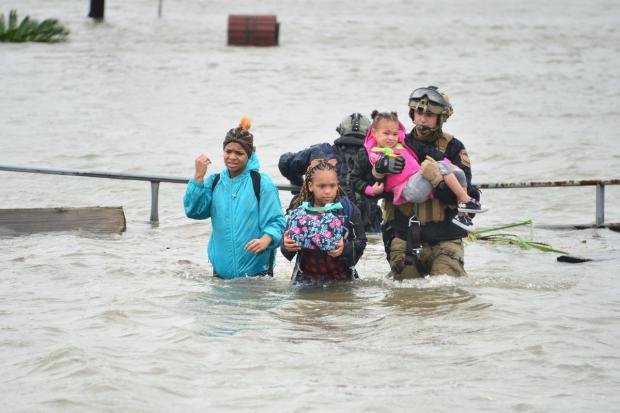
Women and girls across the Global South live at the intersection of environmental vulnerability and gender inequality. In many developing countries, they are responsible for securing water, food, and fuel the basic necessities of survival. When droughts dry up water sources or floods contaminate wells, the burden on women and girls increases. They must walk farther, spend more time, and expose themselves to greater risks simply to meet their families’ daily needs.
Women also make up the majority of workers in the informal economy. They are small-scale farmers, market vendors, fishers, and caregivers roles that offer little legal protection, limited access to credit, and almost no insurance. When storms or heatwaves destroy farms, markets, or fishing equipment, these women lose everything: their income, their independence, and their ability to support their families.
Climate disasters further heighten risks of gender-based violence, exploitation, early marriage, and trafficking. When social protection systems collapse as they often do during disasters women and girls become even more vulnerable. In times of crisis, girls are often pulled from school to help with household responsibilities or because families can no longer afford fees, uniforms, or supplies. Women’s mobility is often restricted as they prioritize caring for children and the elderly, and health systems weakened by extreme events make it harder for them to receive basic or reproductive care.
Many of the countries most affected by climate change lack the infrastructure, financial resources, and resilience systems needed to rebuild quickly. These nations emit the least carbon globally, yet they face the harshest consequences and women and girls bear the deepest scars.
Climate Disasters, Economic Decline, and Generational Setbacks
The economic impacts of climate disasters are far-reaching and long-lasting. When agriculture collapses after storms or droughts, women who form the backbone of small-scale food production are often the first to lose their livelihoods. Destroyed crops, eroded soils, and contaminated water supplies mean not only the immediate loss of food, but also long-term financial instability. Families become dependent on expensive food imports, deepening cycles of poverty.
Infrastructure damage compounds the problem. Washed-out roads, destroyed bridges, damaged schools, and flooded clinics prevent communities from returning to normal. When transportation systems fail, women vendors cannot reach markets, supply chains break down, and informal businesses collapse. With school buildings destroyed or repurposed as shelters, girls face major interruptions in their education. These delays are not temporary inconveniences; they often result in girls never returning to school.
Governments forced to shift budgets from development to emergency recovery face years of economic regression. Social services are weakened, health care becomes less accessible, and long-term growth stalls. Women and girls, already standing at the margins of opportunity, fall even further behind. Climate disasters don’t just damage property, they steal progress, agency, and futures.
The Case of Hurricane Melissa: Climate Injustice in Action
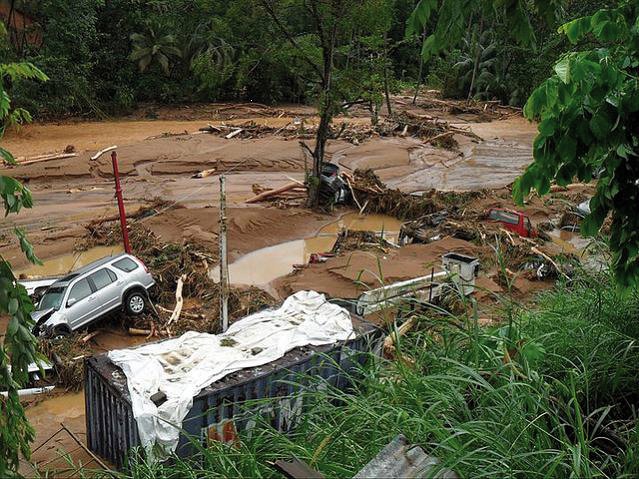
Hurricane Melissa offered a stark illustration of how unequal the impacts of climate events can be. Making landfall in late October 2025 as a Category 5 storm in parts of the Caribbean, Melissa caused catastrophic rainfall, deadly flooding, massive landslides, and widespread destruction of homes, farms, and infrastructure. Jamaica, in particular, saw unprecedented devastation, with some assessments describing it as the strongest hurricane to directly hit the island.
Humanitarian organizations quickly reported that women and girls were among the most severely affected. Displacement separated families from their support networks. Markets and community businesses run by women were swept away. Schools serving as emergency shelters left girls disconnected from education for extended periods. Services meant to protect women from violence and exploitation were overwhelmed or inaccessible.
Hurricane Melissa made landfall as one of the strongest storms ever recorded in the Caribbean. It intensified rapidly over unusually warm waters, setting the tone for a hurricane season shaped by climate change. The storm unleashed catastrophic rainfall, deadly flooding, landslides, and widespread destruction of homes, farms, and national infrastructure.
Officials estimated damages in the billions. Communities were submerged. Thousands were displaced. Jamaica, already grappling with economic strain and long-standing inequalities, endured one of the worst climate events in its modern history.
In the midst of the crisis, Jamaica’s Minister without Portfolio for National Security, Matthew Samuda, delivered a powerful statement that captured the essence of the climate injustice Caribbean nations face. He said:
“We did not create this crisis, but we refuse to stand as victims. We call on the global community, especially major emitters, to honour their commitments and safeguard the 1.5 °C threshold for Jamaica. This is survival. It’s about our people and their right to a safe and prosperous future.”
His words echo not only through parliament or global climate arenas; they reverberate through the daily realities faced by women and girls living in storm-ravaged communities.
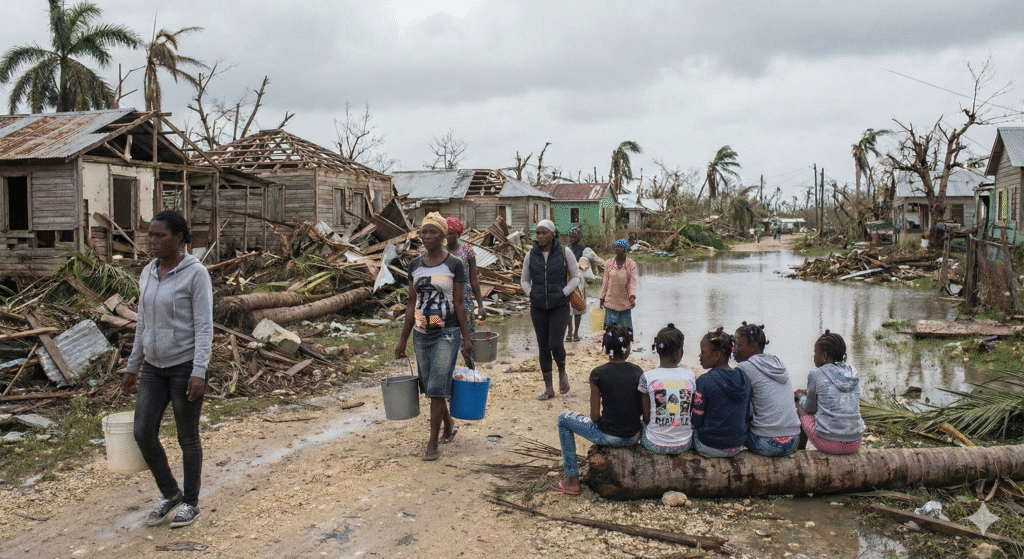
After Melissa, women in rural Jamaica reported losing both their homes and their sources of income. In farming communities, once-fertile land was buried under debris or washed away entirely. In coastal regions, fishing equipment, cooling facilities, and seaside markets were destroyed. These losses extend beyond economics; they strip women of identity, dignity, and stability.
Girls suffered from extended school closures as classrooms became shelters. The longer schools remain closed, the higher the risk that girls never return, especially in low-income households where they are needed to help with survival tasks or caregiving.
Displacement created new safety risks. With sanitation systems damaged, waterborne illness spread quickly, and the burden of caring for the sick fell on women. The need for maternal and reproductive care surged even as clinics struggled to operate. In shelters and temporary housing, women and girls faced increased vulnerability to violence, with weakened systems offering limited protection.
In shelters and temporary housing, the risk of gender-based violence increased significantly. The breakdown of sanitation systems meant women and girls were exposed to greater health risks, including waterborne diseases. For pregnant women, the shortage of functioning clinics and disrupted transportation made accessing prenatal or emergency care extraordinarily difficult.
Furthermore, the emotional burden of survival, caregiving, and rebuilding fell heavily on women. In rural communities, many women described losing both their homes and their income in the same night. With no insurance, limited access to credit, and few alternative livelihood options, recovery became not a matter of months but years. The economic insecurity caused by the hurricane translated into less food on the table, reduced access to healthcare, and fewer resources to support children’s schooling.
At the national level, the economic impact of Melissa will reverberate for years, especially in countries like Jamaica where agriculture, tourism, and small businesses sectors with high female participation were devastated. When governments are forced to prioritize rebuilding infrastructure over investing in social services, women and girls inevitably bear the brunt of budget cuts and strained public systems.
Connecting Climate Injustice to Gender Inequity
The devastation left by Hurricane Melissa is a powerful example of how climate injustice and gender inequity are intertwined. The countries hit hardest by the storm are not the major contributors to global emissions, yet their women and girls will pay the highest price. Melissa did not only destroy buildings it disrupted education, erased livelihoods, and destabilized families.
If disaster response and rebuilding efforts do not intentionally center women and girls, inequalities will widen. Wealthier households will rebuild faster while poorer women whose savings, assets, and support systems were already limited will remain vulnerable. The hidden costs of climate disasters, such as emotional trauma, interrupted schooling, caregiving burdens, and increased violence, often go unmeasured but carry lasting consequences.
The Cake Therapy Connection: Food, Healing, and Resilience
This is where the mission of the Cake Therapy Foundation intersects deeply with climate justice. Climate change is not only destroying land and infrastructure it is destabilizing food systems, emotional health, community connection, and cultural practices. Food is one of the first systems to fail during climate events, yet it is also one of the strongest pathways to healing and resilience.
Cake Therapy works at the heart of this intersection.
Food is more than nourishment; it is a stabilizer. When girls learn to bake, they learn to create something predictable, soothing, and life-affirming in a world that often feels chaotic. The kitchen becomes a sanctuary where their creativity is celebrated, their voices are valued, and their sense of agency grows. In communities facing climate stress, that emotional grounding becomes a vital tool for resilience.
Women and girls already hold up global food systems. They plant, harvest, cook, sell, preserve, and innovate. When a disaster like Melissa destroys farms and markets, it affects not just the economy but also women’s identities and roles within their families and communities. Cake Therapy reinforces the truth that girls are not just participants in food systems, they are future leaders of them. By teaching skills, confidence, teamwork, and emotional regulation, the program supports the development of girls who can one day design stronger, more equitable food systems that withstand environmental shocks.
Healing through food allows girls to recognize their own power. It affirms that even in moments of disaster, they have the capacity to create, rebuild, and lead. This is gender equity in its most practical and transformative form.
What Gender-Responsive Climate Justice Must Look Like
Achieving real climate justice requires centering women and girls in both disaster preparedness and long-term rebuilding. This means ensuring that women farmers, vendors, and informal workers receive dedicated support to rebuild their livelihoods. It means prioritizing girls’ return to school after emergencies and creating safe, resilient education systems. It means building strong protection systems in shelters and displacement settings to safeguard girls from violence. It also requires elevating women’s leadership in climate planning, disaster response, and community rebuilding, recognizing that local women’s groups often hold the knowledge and experience needed for effective recovery.
Climate financing must become faster, more equitable, and more accessible to the women and girls who need it most. Recovery efforts must account not only for infrastructure losses but also for the invisible, emotional, social, and economic costs that disproportionately burden women.
Conclusion
Climate justice cannot be achieved unless gender justice is at the center of the conversation. Hurricane Melissa revealed a truth that cannot be ignored: women and girls in Jamaica, Haiti, the Dominican Republic, and across the Caribbean are facing not only physical destruction but also profound threats to their rights, opportunities, and futures. If global responses continue to overlook the gendered impacts of climate change, the inequalities will only deepen.
We stand at a critical moment. We can choose to treat these storms as isolated events, or we can recognize them as urgent warnings that demand systemic change. By standing with women and girls, investing in their resilience, and ensuring that the food systems and emotional support networks they rely on are strong, we move beyond survival toward justice.






Leave a comment